Care work is one of the most skilled roles in health and social care. This article explores why support workers must be recognised, valued and professionally developed.
I began my career as a support worker. It was the role that shaped my understanding of health and social care and the realities of supporting people every day - protecting dignity, managing risk, and helping individuals live with independence and choice.
Anyone who has done the role knows just how complex it truly is. Which is why I still find it disheartening when staff attending training courses introduce themselves by saying:
"I'm just a support worker." Or sometimes: "I'm only their carer."
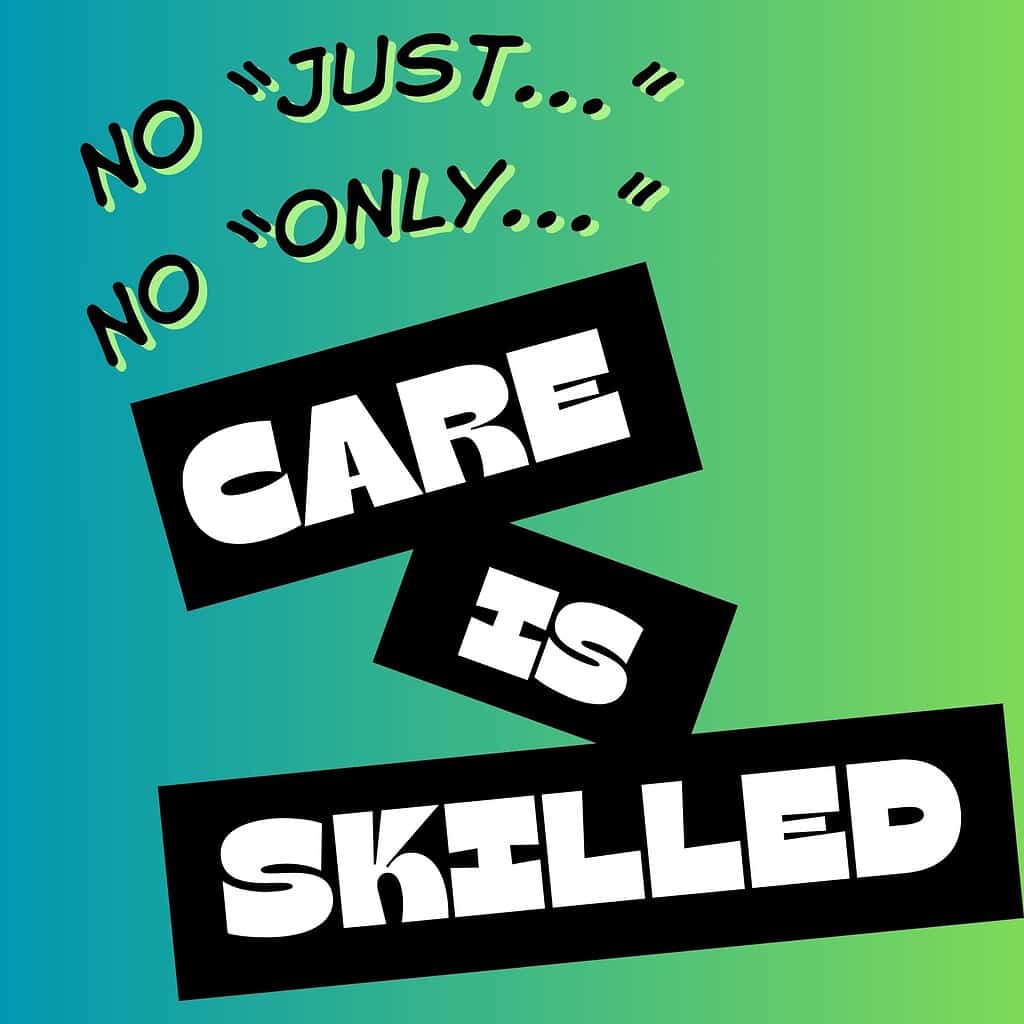
There is no just. There is no only.
Because the role they are describing is one of the most complex roles within the entire health and social care system. Yet it is still one of the most underestimated.
Care work is not entry level. It is skilled, relational, high-responsibility professional practice.
The Reality of the Support Worker Role
In health and social care we often talk about system pressures, workforce shortages, funding challenges and reform.
But we rarely talk enough about the professionals holding those systems together every day. Support workers operate at the intersection of multiple disciplines - clinical observation, safeguarding practice, psychological understanding, advocacy and administration.
During a single shift, a support worker may:
- Monitor physical health and recognise early signs of deterioration
- Administer medication safely and accurately
- Support complex moving and handling needs
- De-escalate distress or crisis behaviour
- Implement Positive Behaviour Support plans
- Manage risk dynamically
- Write legally defensible care records
- Liaise with GPs, community nurses and mental health teams
- Support people to manage benefits or budgeting
- Advocate during safeguarding processes
- Apply the principles of the Mental Capacity Act 2005
- Balance autonomy with duty of care under the Care Act 2014
This is not “just” anything. It is skilled, accountable professional work.
“Support workers are often the first people to notice when something isn’t right — medically, emotionally or socially.”
The Emotional Intelligence Behind Care Work
Beyond technical knowledge, support workers develop highly advanced emotional intelligence.
They:
- Recognise subtle changes in mood or behaviour
- Read non-verbal communication
- Manage their own emotional responses while supporting others
- Build trust with people who may have been let down by services before
- Support families experiencing stress, exhaustion or grief
This relational work is rarely visible in policy documents, but it is central to good care.
It is not entry-level capability. It is skilled relational practice.
The Knowledge Care Workers Apply Every Day
Support workers are expected to understand and apply knowledge across many areas of practice, including:
And they apply this knowledge in real time, often independently and under pressure.
“Care work is not preparation for something else. It is the frontline of human dignity.”
The Language That Shrinks the Profession
There is a moment many people in social care will recognise - a safeguarding meeting, a discharge planning discussion, a multi-disciplinary team call. And someone introduces themselves quietly:
"I'm just the support worker." - But that single word just carries weight.
Because there is nothing “just” about:
When skilled professionals describe themselves this way, we are not hearing humility.
We are hearing internalised undervaluation.
Why Changing the Narrative Matters
Professional identity influences practice.
When staff feel confident in their role and expertise, they are more likely to:
- Speak up about safeguarding concerns
- Challenge poor practice
- Contribute to multi-disciplinary decision-making
- Stay within the profession long-term
If we want a confident, capable social care workforce, we must stop tolerating language that diminishes the role.
There is no “just.” There is no “only.”
Reclaiming the Value of Care Work
Care work is:
- High trust
- High accountability
- High emotional labour
- High responsibility
- High impact
It is the quiet architecture of the health and social care system. If we truly believe in its value, we must:
- Fund it properly
- Professionalise it thoughtfully
- Recognise its complexity
- Invest in workforce development
- Challenge language that diminishes the role
Because there is no entry-level version of safeguarding someone's dignity. Care is skilled work and it is time we spoke about it that way.
Developing the Skilled Social Care Workforce
Professional recognition must also be supported by high-quality training and development.
At Empeiria Training, we work with health and social care providers to strengthen the skills, confidence and professional identity of the workforce.
Our aim is to reshape the language and mindset of the care workforce we train, empowering them to value themselves and pursue the recognition they rightfully deserve, fostering confidence and professional growth within the sector.
How will you be part of the change?
The perception of care work will only change if we change how we talk about it. Empower your teams, recognise the expertise behind the role, and stop allowing the word “just” to define it. Care work is skilled work and it deserves to be recognised as such.
Contact Empeiria Training
If you want to strengthen the confidence and skills of your social care workforce, browse our range of courses or contact our team by phone on 01513182332, by email on training@empeiria-training.co.uk or simply fill out our contact form, and a member of our team will be in touch shortly.